





In Short : Goa has selected Tivim and Dabolim as model solar villages to promote decentralized renewable energy and round-the-clock clean power. The initiative focuses on rooftop solar adoption, community participation, and energy self-sufficiency. With government support and structured implementation, the project aims to create scalable rural energy models that enhance sustainability, reduce grid dependence, and improve quality of life.
In Detail : The Government of Goa has identified Tivim and Dabolim as model solar villages, marking a progressive step toward decentralized clean energy adoption at the grassroots level. This initiative aims to transform these villages into self-sustaining energy hubs powered largely by solar energy, setting a benchmark for similar rural electrification models across the country.
The concept behind model solar villages is to ensure reliable, uninterrupted electricity through renewable sources while reducing reliance on conventional grid power. By promoting localized energy generation, the initiative seeks to enhance energy security and provide a more resilient power supply system that can better withstand disruptions.
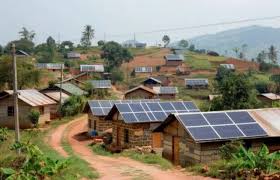
A central pillar of this initiative is the widespread adoption of rooftop solar systems across households, institutions, and commercial establishments. Residents are encouraged to install solar panels, enabling them to generate their own electricity and, in many cases, supply excess power back to the grid, creating a decentralized and participatory energy ecosystem.
Community involvement plays a critical role in the success of the project. The selection of Tivim and Dabolim reflects their proactive participation in renewable initiatives, particularly in terms of rooftop solar adoption and engagement with government programs. This participatory approach ensures that the transition to clean energy is both inclusive and sustainable.
The initiative is supported by financial incentives and policy backing aimed at reducing the cost burden on residents and encouraging higher adoption rates. These incentives are expected to facilitate the installation of solar systems as well as associated infrastructure such as solar street lighting and water pumping solutions.
Authorities are also focusing on careful planning and execution to ensure long-term sustainability. Detailed project frameworks are being developed to address technical, operational, and maintenance aspects, ensuring that the solar infrastructure continues to function efficiently over time.
Beyond environmental benefits, the project is expected to generate significant socio-economic advantages. Reliable and affordable electricity can support local businesses, improve access to education and healthcare, and enhance overall living standards within these communities.
The development of model solar villages also aligns with broader national objectives of increasing renewable energy capacity and promoting sustainable development. By demonstrating the viability of decentralized solar solutions, the initiative can serve as a replicable model for other states aiming to accelerate their clean energy transition.
Overall, the transformation of Tivim and Dabolim into model solar villages represents a forward-thinking approach to energy management. By combining technology, policy support, and community participation, Goa is paving the way for a more sustainable, resilient, and self-reliant rural energy future.