





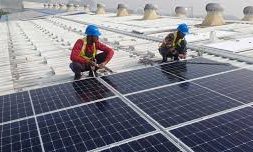
In Short : Haryana has introduced a large-scale rooftop solar drive aimed at reducing electricity bills for residential consumers. The initiative encourages households to install rooftop solar systems through financial incentives and policy support. The programme is expected to promote clean energy adoption, lower power costs, and strengthen distributed solar generation across the state.
In Detail : The government of Haryana has unveiled a new rooftop solar campaign designed to help households reduce their electricity expenses while encouraging the adoption of renewable energy. The initiative focuses on promoting the installation of rooftop solar systems across residential buildings, enabling consumers to generate their own electricity and decrease reliance on conventional grid power.
The programme aims to support the rapid expansion of distributed solar power generation by making rooftop solar systems more accessible to households. By providing financial assistance, subsidies, and streamlined application procedures, the state government is encouraging homeowners to take advantage of solar technology and reduce their long-term energy costs.
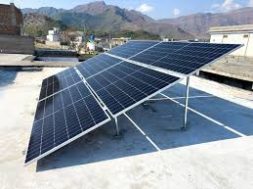
Rooftop solar systems operate by converting sunlight into electricity using photovoltaic panels installed on rooftops. The electricity generated can be consumed directly by households, significantly reducing the amount of power drawn from the grid. In many cases, surplus electricity produced during the day can be exported back to the grid through net metering arrangements.
The rooftop solar initiative aligns with broader national programmes such as PM Surya Ghar: Muft Bijli Yojana, which aims to promote solar power adoption among residential consumers across the country. State-level initiatives like Haryana’s campaign help accelerate the implementation of national renewable energy targets by increasing participation at the household level.
The introduction of rooftop solar systems offers multiple economic benefits for consumers. Once installed, solar panels generate electricity for many years with relatively low maintenance costs. This allows households to significantly reduce their monthly electricity bills and protect themselves from rising power tariffs in the future.
In addition to financial savings, rooftop solar installations contribute to environmental sustainability. Solar energy generation produces no direct greenhouse gas emissions during operation, making it a clean alternative to fossil fuel-based electricity generation. Increased adoption of rooftop solar therefore helps reduce carbon emissions and supports climate action efforts.
The rooftop solar drive is also expected to stimulate economic activity within the renewable energy sector. Increased demand for solar installations will create opportunities for equipment manufacturers, installers, and service providers involved in the solar value chain, leading to job creation and industry growth.
By encouraging decentralized electricity generation, rooftop solar systems also strengthen the resilience of the power grid. Distributed solar capacity reduces the load on centralized power plants and transmission networks, helping improve energy security and stability within the electricity system.
Overall, Haryana’s rooftop solar initiative represents an important step toward building a more sustainable and consumer-friendly energy system. By enabling households to generate their own electricity and reduce power costs, the programme supports the broader transition toward clean energy while empowering citizens to actively participate in the renewable energy movement.
